Colleges by Location
Colleges by Fields of Study
Colleges by Tuition Range
Colleges by GPA Range
College by SAT Range
Colleges by ACT Score
Graduate Schools by Location
Graduate Schools by Fields of Study
Graduate School by Degree Type
Paying for Graduate School
Online Graduate Programs
Test Preparation
Career Planning
College Planning
Graduate School Planning
Applying to Graduate School
- More
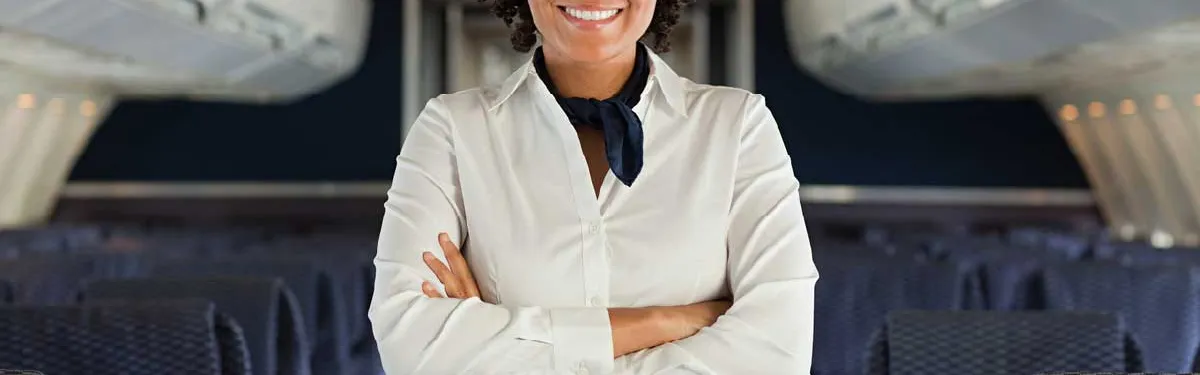

| Median Wage (USD, 2024) | Projected Job Openings (2023-2033) | Projected Growth (2023-2033) | |
|---|---|---|---|
| National Statistics | $67,130 | 19500 | 9.9% |
| State Statistics | - | - | - |
| City Statistics | - | - | - |
Experience Requirements Overview
- Job Zone Two: Some Preparation Needed
- Some previous work-related skill, knowledge, or experience is usually needed. For example, a teller would benefit from experience working directly with the public.
- These occupations usually require a high school diploma.
- Employees in these occupations need anywhere from a few months to one year of working with experienced employees. A recognized apprenticeship program may be associated with these occupations.
Education, Training and Experience
Required Level of Education: High School Diploma - or the equivalent (for example, GED)
Related Work Experience: N.A.
On-Site or In-Plant Training: Over 1 month, up to and including 3 months
On-the-Job Training: Anything beyond short demonstration, up to and including 1 month
Detailed Work Activities
- Monitor patron activities to identify problems or potential problems.
- Monitor activities of individuals to ensure safety or compliance with rules.
- Maintain surveillance of individuals or establishments.
- Assist others during emergencies.
- Provide transportation information to passengers or customers.
Work Values
Achievement
Occupations that satisfy this work value are results oriented and allow employees to use their strongest abilities, giving them a feeling of accomplishment. Corresponding needs are Ability Utilization and Achievement.
Working Conditions
Recognition
Relationships
Support
Independence
Tasks
- Verify that first aid kits and other emergency equipment, including fire extinguishers and oxygen bottles, are in working order.
- Announce and demonstrate safety and emergency procedures, such as the use of oxygen masks, seat belts, and life jackets.
- Monitor passenger behavior to identify threats to the safety of the crew and other passengers.
- Walk aisles of planes to verify that passengers have complied with federal regulations prior to takeoffs and landings.
- Direct and assist passengers in emergency procedures, such as evacuating a plane following an emergency landing.
- Prepare passengers and aircraft for landing, following procedures.
- Administer first aid to passengers in distress.
- Determine special assistance needs of passengers, such as small children, the elderly, or persons with disabilities.
- Attend preflight briefings concerning weather, altitudes, routes, emergency procedures, crew coordination, lengths of flights, food and beverage services offered, and numbers of passengers.
- Reassure passengers when situations, such as turbulence, are encountered.
- Check to ensure that food, beverages, blankets, reading material, emergency equipment, and other supplies are aboard and are in adequate supply.
- Prepare reports showing places of departure and destination, passenger ticket numbers, meal and beverage inventories, the conditions of cabin equipment, and any problems encountered by passengers.
- Announce flight delays and descent preparations.
- Greet passengers boarding aircraft and direct them to assigned seats.
- Assist passengers entering or disembarking the aircraft.
- Conduct periodic trips through the cabin to ensure passenger comfort and to distribute reading material, headphones, pillows, playing cards, and blankets.
- Inspect and clean cabins, checking for any problems and making sure that cabins are in order.
- Operate audio and video systems.
- Answer passengers' questions about flights, aircraft, weather, travel routes and services, arrival times, or schedules.
- Collect money for meals and beverages.
- Heat and serve prepared foods.
- Inspect passenger tickets to verify information and to obtain destination information.
- Assist passengers in placing carry-on luggage in overhead, garment, or under-seat storage.
- Take inventory of headsets, alcoholic beverages, and money collected.
- Sell alcoholic beverages to passengers.
Work Styles
Achievement/Effort
Job requires establishing and maintaining personally challenging achievement goals and exerting effort toward mastering tasks.
Persistence
Initiative
Leadership
Cooperation
Concern for Others
Social Orientation
Self-Control
Stress Tolerance
Adaptability/Flexibility
Dependability
Attention to Detail
Integrity
Independence
Innovation
Analytical Thinking
Data Source: This page includes information from the O*NET 30.0 Database by the U.S. Department of Labor, Employment and Training Administration (USDOL/ETA). Used under the CC BY 4.0 license. O*NET® is a trademark of USDOL/ETA. This page includes Employment Projections program, Occupational Employment and Wage Statistics program, U.S. Bureau of Labor Statistics.