Colleges by Location
Colleges by Fields of Study
Colleges by Tuition Range
Colleges by GPA Range
College by SAT Range
Colleges by ACT Score
Graduate Schools by Location
Graduate Schools by Fields of Study
Graduate School by Degree Type
Paying for Graduate School
Online Graduate Programs
Test Preparation
Career Planning
College Planning
Graduate School Planning
Applying to Graduate School
- More

| Median Wage (USD, 2024) | Projected Job Openings (2023-2033) | Projected Growth (2023-2033) | |
|---|---|---|---|
| National Statistics | $33,470 | 75800 | 16.6% |
| State Statistics | - | - | - |
| City Statistics | - | - | - |
Experience Requirements Overview
- Job Zone Two: Some Preparation Needed
- Some previous work-related skill, knowledge, or experience is usually needed. For example, a teller would benefit from experience working directly with the public.
- These occupations usually require a high school diploma.
- Employees in these occupations need anywhere from a few months to one year of working with experienced employees. A recognized apprenticeship program may be associated with these occupations.
Education, Training and Experience
Required Level of Education: High School Diploma - or the equivalent (for example, GED)
Related Work Experience: Over 1 month, up to and including 3 months
On-Site or In-Plant Training: Up to and including 1 month
On-the-Job Training: Over 1 month, up to and including 3 months
Detailed Work Activities
- Clean facilities or work areas.
- Perform housekeeping duties.
- Maintain facilities.
- Confer with clients to discuss treatment plans or progress.
- Provide care for animals.
Work Values
Achievement
Occupations that satisfy this work value are results oriented and allow employees to use their strongest abilities, giving them a feeling of accomplishment. Corresponding needs are Ability Utilization and Achievement.
Working Conditions
Recognition
Relationships
Support
Independence
Tasks
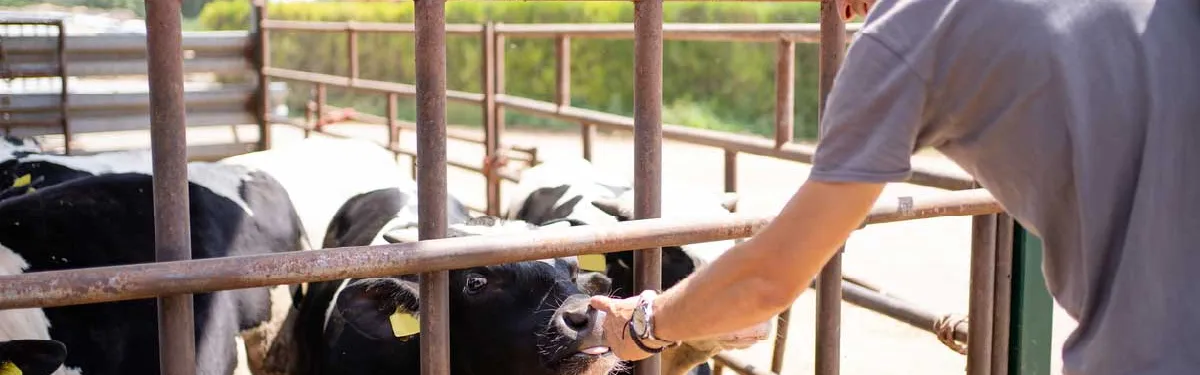
- Feed and water animals according to schedules and feeding instructions.
- Provide treatment to sick or injured animals, or contact veterinarians to secure treatment.
- Examine and observe animals to detect signs of illness, disease, or injury.
- Mix food, liquid formulas, medications, or food supplements according to instructions, prescriptions, and knowledge of animal species.
- Do facility laundry and clean, organize, maintain, and disinfect animal quarters, such as pens and stables, and equipment, such as saddles and bridles.
- Exercise animals to maintain their physical and mental health.
- Collect and record animal information, such as weight, size, physical condition, treatments received, medications given, and food intake.
- Respond to questions from patrons, and provide information about animals, such as behavior, habitat, breeding habits, or facility activities.
- Answer telephones and schedule appointments.
- Advise pet owners on how to care for their pets' health.
- Perform animal grooming duties, such as washing, brushing, clipping, and trimming coats, cutting nails, and cleaning ears.
- Observe and caution children petting and feeding animals in designated areas to ensure the safety of humans and animals.
- Clean and disinfect surgical equipment.
- Find homes for stray or unwanted animals.
- Discuss with clients their pets' grooming needs.
- Transfer animals between enclosures to facilitate breeding, birthing, shipping, or rearrangement of exhibits.
- Adjust controls to regulate specified temperature and humidity of animal quarters, nurseries, or exhibit areas.
- Anesthetize and inoculate animals, according to instructions.
- Install, maintain, and repair animal care facility equipment, such as infrared lights, feeding devices, and cages.
- Train animals to perform certain tasks.
- Order, unload, and store feed and supplies.
- Sell pet food and supplies.
Work Styles
Achievement/Effort
Job requires establishing and maintaining personally challenging achievement goals and exerting effort toward mastering tasks.
Persistence
Initiative
Leadership
Cooperation
Concern for Others
Social Orientation
Self-Control
Stress Tolerance
Adaptability/Flexibility
Dependability
Attention to Detail
Integrity
Independence
Innovation
Analytical Thinking
Data Source: This page includes information from the O*NET 30.0 Database by the U.S. Department of Labor, Employment and Training Administration (USDOL/ETA). Used under the CC BY 4.0 license. O*NET® is a trademark of USDOL/ETA. This page includes Employment Projections program, Occupational Employment and Wage Statistics program, U.S. Bureau of Labor Statistics.