Colleges by Location
Colleges by Fields of Study
Colleges by Tuition Range
Colleges by GPA Range
College by SAT Range
Colleges by ACT Score
Graduate Schools by Location
Graduate Schools by Fields of Study
Graduate School by Degree Type
Paying for Graduate School
Online Graduate Programs
Test Preparation
Career Planning
College Planning
Graduate School Planning
Applying to Graduate School
- More
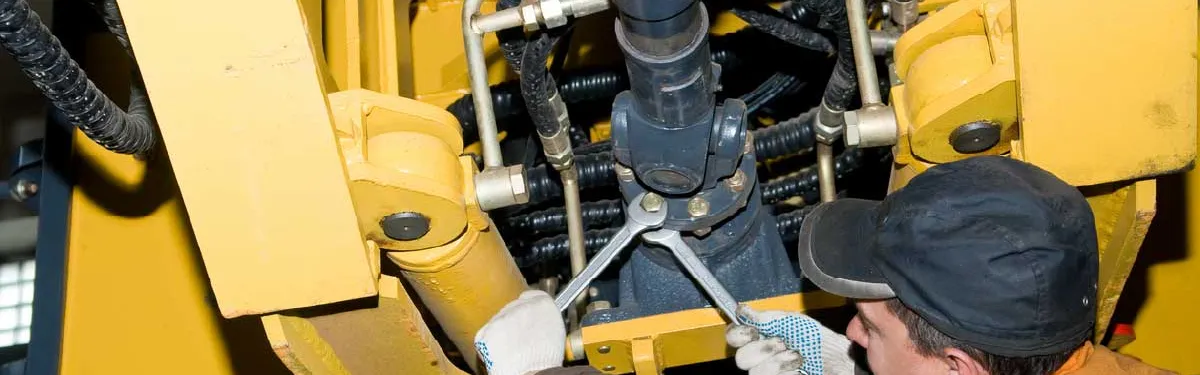

| Median Wage (USD, 2024) | Projected Job Openings (2023-2033) | Projected Growth (2023-2033) | |
|---|---|---|---|
| National Statistics | $63,980 | 17700 | 8.5% |
| State Statistics | - | - | - |
| City Statistics | - | - | - |
Experience Requirements Overview
- Job Zone Three: Medium Preparation Needed
- Previous work-related skill, knowledge, or experience is required for these occupations. For example, an electrician must have completed three or four years of apprenticeship or several years of vocational training, and often must have passed a licensing exam, in order to perform the job.
- Most occupations in this zone require training in vocational schools, related on-the-job experience, or an associate's degree.
- Employees in these occupations usually need one or two years of training involving both on-the-job experience and informal training with experienced workers. A recognized apprenticeship program may be associated with these occupations.
Education, Training and Experience
Required Level of Education: Post-Secondary Certificate - awarded for training completed after high school (for example, in agriculture or natural resources, computer services, personal or culinary services, engineering technologies, healthcare, construction trades, mechanic and repair technologies, or precision production)
Related Work Experience: Over 2 years, up to and including 4 years
On-Site or In-Plant Training: Over 1 year, up to and including 2 years
On-the-Job Training: Over 6 months, up to and including 1 year
Detailed Work Activities
- Rewire electrical or electronic systems.
- Repair electrical components.
- Maintain inventories of materials, equipment, or products.
- Order materials, supplies, or equipment.
- Inspect completed work to ensure proper functioning.
Work Values
Achievement
Occupations that satisfy this work value are results oriented and allow employees to use their strongest abilities, giving them a feeling of accomplishment. Corresponding needs are Ability Utilization and Achievement.
Working Conditions
Recognition
Relationships
Support
Independence
Tasks
- Repair and replace damaged or worn parts.
- Test mechanical products and equipment after repair or assembly to ensure proper performance and compliance with manufacturers' specifications.
- Operate and inspect machines or heavy equipment to diagnose defects.
- Read and understand operating manuals, blueprints, and technical drawings.
- Dismantle and reassemble heavy equipment using hoists and hand tools.
- Overhaul and test machines or equipment to ensure operating efficiency.
- Adjust, maintain, and repair or replace subassemblies, such as transmissions and crawler heads, using hand tools, jacks, and cranes.
- Repair, rewire, and troubleshoot electrical systems.
- Diagnose faults or malfunctions to determine required repairs, using engine diagnostic equipment such as computerized test equipment and calibration devices.
- Examine parts for damage or excessive wear, using micrometers and gauges.
- Weld or solder broken parts and structural members, using electric or gas welders and soldering tools.
- Research, order, and maintain parts inventory for services and repairs.
- Fit bearings to adjust, repair, or overhaul mobile mechanical, hydraulic, and pneumatic equipment.
- Schedule maintenance for industrial machines and equipment, and keep equipment service records.
- Clean, lubricate, and perform other routine maintenance work on equipment and vehicles.
- Assemble gear systems, and align frames and gears.
- Clean parts by spraying them with grease solvent or immersing them in tanks of solvent.
- Adjust and maintain industrial machinery, using control and regulating devices.
- Fabricate needed parts or items from sheet metal.
- Direct workers who are assembling or disassembling equipment or cleaning parts.
Work Styles
Achievement/Effort
Job requires establishing and maintaining personally challenging achievement goals and exerting effort toward mastering tasks.
Persistence
Initiative
Leadership
Cooperation
Concern for Others
Social Orientation
Self-Control
Stress Tolerance
Adaptability/Flexibility
Dependability
Attention to Detail
Integrity
Independence
Innovation
Analytical Thinking
Data Source: This page includes information from the O*NET 30.0 Database by the U.S. Department of Labor, Employment and Training Administration (USDOL/ETA). Used under the CC BY 4.0 license. O*NET® is a trademark of USDOL/ETA. This page includes Employment Projections program, Occupational Employment and Wage Statistics program, U.S. Bureau of Labor Statistics.