Colleges by Location
Colleges by Fields of Study
Colleges by Tuition Range
Colleges by GPA Range
College by SAT Range
Colleges by ACT Score
Graduate Schools by Location
Graduate Schools by Fields of Study
Graduate School by Degree Type
Paying for Graduate School
Online Graduate Programs
Test Preparation
Career Planning
College Planning
Graduate School Planning
Applying to Graduate School
- More
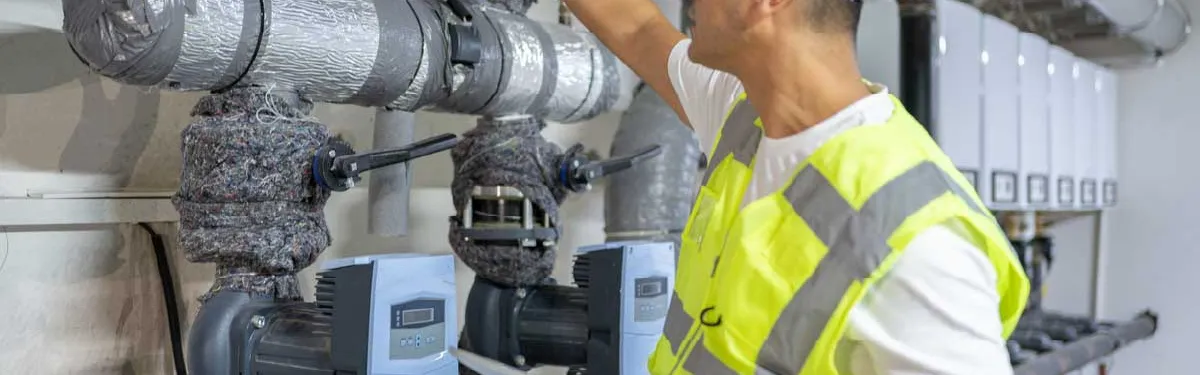

| Median Wage (USD, 2024) | Projected Job Openings (2023-2033) | Projected Growth (2023-2033) | |
|---|---|---|---|
| National Statistics | $51,050 | 2700 | 11.4% |
| State Statistics | - | - | - |
| City Statistics | - | - | - |
Experience Requirements Overview
- Job Zone Two: Some Preparation Needed
- Some previous work-related skill, knowledge, or experience is usually needed. For example, a teller would benefit from experience working directly with the public.
- These occupations usually require a high school diploma.
- Employees in these occupations need anywhere from a few months to one year of working with experienced employees. A recognized apprenticeship program may be associated with these occupations.
Education, Training and Experience
Required Level of Education: High School Diploma - or the equivalent (for example, GED)
Related Work Experience: N.A.
On-Site or In-Plant Training: Up to and including 1 month
On-the-Job Training: Over 1 month, up to and including 3 months
Detailed Work Activities
- Drill holes in parts, equipment, or materials.
- Adjust equipment to ensure optimal performance.
- Assemble mechanical components or machine parts.
- Gather information about work conditions or locations.
- Collect payments for goods or services.
Work Values
Independence
Occupations that satisfy this work value allow employees to work on their own and make decisions. Corresponding needs are Creativity, Responsibility and Autonomy.
Achievement
Working Conditions
Recognition
Relationships
Support
Tasks
- Wind large springs with upward motion of arm.
- Adjust doors to open or close with the correct amount of effort, or make simple adjustments to electric openers.
- Carry springs to tops of doors, using ladders or scaffolding, and attach springs to tracks to install spring systems.
- Repair or replace worn or broken door parts, using hand tools.
- Complete required paperwork, such as work orders, according to services performed or required.
- Fasten angle iron back-hangers to ceilings and tracks, using fasteners or welding equipment.
- Collect payment upon job completion.
- Install door frames, rails, steel rolling curtains, electronic-eye mechanisms, or electric door openers and closers, using power tools, hand tools, and electronic test equipment.
- Inspect job sites, assessing headroom, side room, or other conditions to determine appropriateness of door for a given location.
- Assemble and fasten tracks to structures or bucks, using impact wrenches or welding equipment.
- Set doors into place or stack hardware sections into openings after rail or track installation.
- Operate lifts, winches, or chain falls to move heavy curtain doors.
- Remove or disassemble defective automatic mechanical door closers, using hand tools.
- Fabricate replacements for worn or broken parts, using welders, lathes, drill presses, or shaping or milling machines.
- Prepare doors for hardware installation, such as drilling holes to install locks.
- Run low voltage wiring on ceiling surfaces, using insulated staples.
- Cut door stops or angle irons to fit openings.
- Study blueprints and schematic diagrams to determine appropriate methods of installing or repairing automated door openers.
- Install dock seals, bumpers, or shelters.
- Order replacement springs, sections, or slats.
- Lubricate door closer oil chambers, and pack spindles with leather washers.
- Set in and secure floor treadles for door-activating mechanisms, and connect power packs and electrical panelboards to treadles.
- Cover treadles with carpeting or other floor covering materials, and test systems by operating treadles.
- Bore or cut holes in flooring as required for installation, using hand or power tools.
- Clean door closer parts, using caustic soda, rotary brushes, or grinding wheels.
Work Styles
Achievement/Effort
Job requires establishing and maintaining personally challenging achievement goals and exerting effort toward mastering tasks.
Persistence
Initiative
Leadership
Cooperation
Concern for Others
Social Orientation
Self-Control
Stress Tolerance
Adaptability/Flexibility
Dependability
Attention to Detail
Integrity
Independence
Innovation
Analytical Thinking
Data Source: This page includes information from the O*NET 30.0 Database by the U.S. Department of Labor, Employment and Training Administration (USDOL/ETA). Used under the CC BY 4.0 license. O*NET® is a trademark of USDOL/ETA. This page includes Employment Projections program, Occupational Employment and Wage Statistics program, U.S. Bureau of Labor Statistics.