Colleges by Location
Colleges by Fields of Study
Colleges by Tuition Range
Colleges by GPA Range
College by SAT Range
Colleges by ACT Score
Graduate Schools by Location
Graduate Schools by Fields of Study
Graduate School by Degree Type
Paying for Graduate School
Online Graduate Programs
Test Preparation
Career Planning
College Planning
Graduate School Planning
Applying to Graduate School
- More
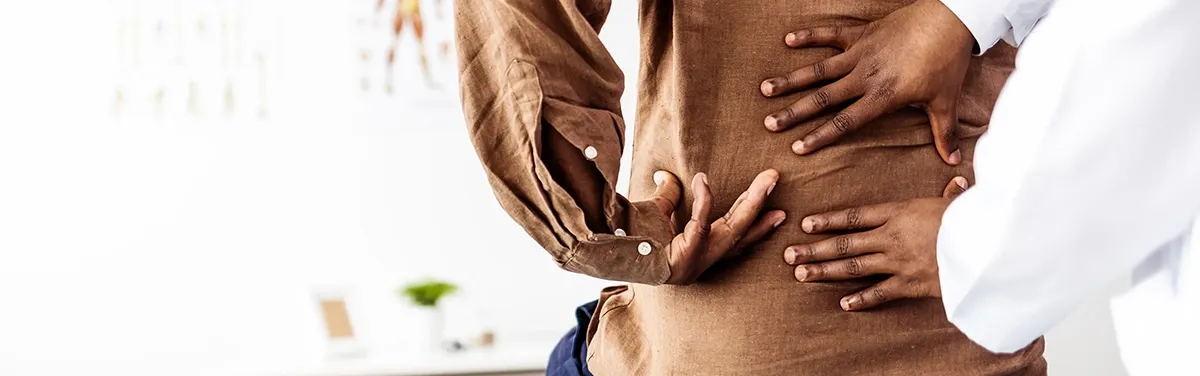

Doctors of osteopathic medicine (DOs) are fully licensed physicians who train in U.S. osteopathic medical schools and complete residency and fellowship programs. Their education emphasizes preventive care, whole-person treatment, and strong physician–patient partnerships. DOs receive specialized training in Osteopathic Manipulative Treatment (OMT), using hands-on techniques to diagnose, treat, and support the body's healing. They are known for serving rural and underserved communities and play key roles in military medicine. With more than 148,000 practitioners, DOs work in primary care, medical specialties, research, education, and health leadership. They are licensed in all U.S. states and over 65 countries.
Education, Training and Experience
- Admissions Requirements
- Admission to osteopathic medical school is highly competitive.
- Most applicants hold a bachelor's degree; some have master's or doctoral degrees.
- A few students enter through special programs without a completed undergraduate degree if prerequisites are met.
- Common prerequisite coursework includes:
- One year of biology
- One year of physics
- One year of English composition
- Two years of chemistry
- Strong MCAT scores, science GPA, and overall GPA are essential.
- AACOM's Choose DO Explorer provides detailed, school-specific admission requirements.
- Personal Qualities Sought
- Competitive applicants typically:
- Show strong communication and interpersonal skills.
- Have community service and leadership experience.
- Possess clinical exposure.
- Engage in diverse extracurricular activities.
- Come from varied backgrounds.
- Understand osteopathic medicine and have shadowed a DO.
- Demonstrate interest in preventive care and whole-person treatment.
- Application Process
- Applicants must take the MCAT.
- Use AACOMAS to submit one application to multiple osteopathic medical schools.
- There are currently 41 accredited colleges of osteopathic medicine in the U.S.
- The Choose DO Explorer outlines admissions criteria, class sizes, deadlines, tuition, and supplemental requirements.
- Training Pathway
- Osteopathic medical school lasts four years.
- Graduates complete 3–9 years of internship and residency training, depending on specialty.
- DOs must pass state licensing exams and national board exams to practice.
Detailed Work Activities
- Osteopathic medicine emphasizes serving rural and urban underserved communities.
- DOs work in diverse environments — from small towns to major cities, military settings, government roles, and even aerospace medicine.
- Many osteopathic medical schools focus on producing primary care physicians for their regions.
- It is a myth that DOs practice only primary care — over 43% work in non–primary care specialties.
- DOs practice across all medical specialties, including anesthesiology, neurology, dermatology, emergency medicine, psychiatry, and surgery.
- Duties, training, salaries, and workforce trends vary by specialty.
Table of Contents:
For more information on this career visit: https://explorehealthcareers.org/careers/physicians-and-surgeons/osteopathic-physician/
Data Source: ExploreHealthcareers.org