Colleges by Location
Colleges by Fields of Study
Colleges by Tuition Range
Colleges by GPA Range
College by SAT Range
Colleges by ACT Score
Graduate Schools by Location
Graduate Schools by Fields of Study
Graduate School by Degree Type
Paying for Graduate School
Online Graduate Programs
Test Preparation
Career Planning
College Planning
Graduate School Planning
Applying to Graduate School
- More
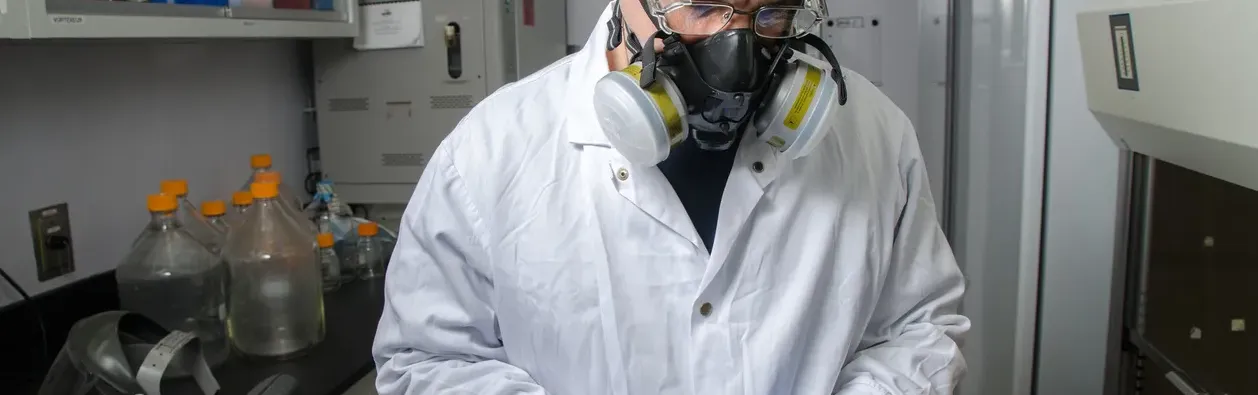

Forensic toxicologists analyze bodily fluids and tissues to identify drugs, chemicals, or poisons that may have contributed to a crime or death. Working in laboratories, they use advanced instruments and precise methods to detect substances such as alcohol, medications, illegal drugs, metals, gases, and toxins. Their work requires strict documentation, patience, and adherence to chain-of-custody rules. Beyond criminal cases, they conduct testing for employers, traffic enforcement, wildlife investigations, and environmental contamination. Forensic toxicologists provide expert interpretations of substance effects and may testify in court, clearly explaining complex scientific findings to juries.
Education, Training and Experience
- Forensic toxicology is a rapidly evolving field that requires a strong interest in continuous learning.
- Professionals must stay current with new technologies, methods, and emerging chemicals.
- Forensic toxicologists typically hold a bachelor's degree in chemistry, clinical chemistry, pharmacology, or a related science.
- Some pursue master's or doctoral degrees in forensic toxicology.
- Forensic science programs should be accredited by the Forensic Science Education Programs Accreditation Commission (FEPAC).
- Experienced professionals may earn certification from organizations such as the American Board of Forensic Toxicology, American Board of Clinical Chemistry, or American Board of Toxicology.
Detailed Work Activities
- Most forensic toxicologists work in labs run by law enforcement agencies, medical examiners or private drug testing facilities. They often must sit or stand for long periods of time. The tests they perform require very fine motor skills and a dogged commitment to following rigorous scientific protocols.
- Working with bodily fluids and tissue samples can be messy and smelly. The forensic toxicologist is also exposed to details about crimes, which can be emotionally difficult.
- The workload can be significant, and when the samples come from a crime scene, the pressure to perform tests faster can be strong. The forensic toxicologist must be able to resist this pressure, work efficiently without rushing and prioritize effectively.
Table of Contents:
For more information on this career visit: https://explorehealthcareers.org/careers/technologists-and-technicians/forensic-toxicologist/
Data Source: ExploreHealthcareers.org