Colleges by Location
Colleges by Fields of Study
Colleges by Tuition Range
Colleges by GPA Range
College by SAT Range
Colleges by ACT Score
Graduate Schools by Location
Graduate Schools by Fields of Study
Graduate School by Degree Type
Paying for Graduate School
Online Graduate Programs
Test Preparation
Career Planning
College Planning
Graduate School Planning
Applying to Graduate School
- More
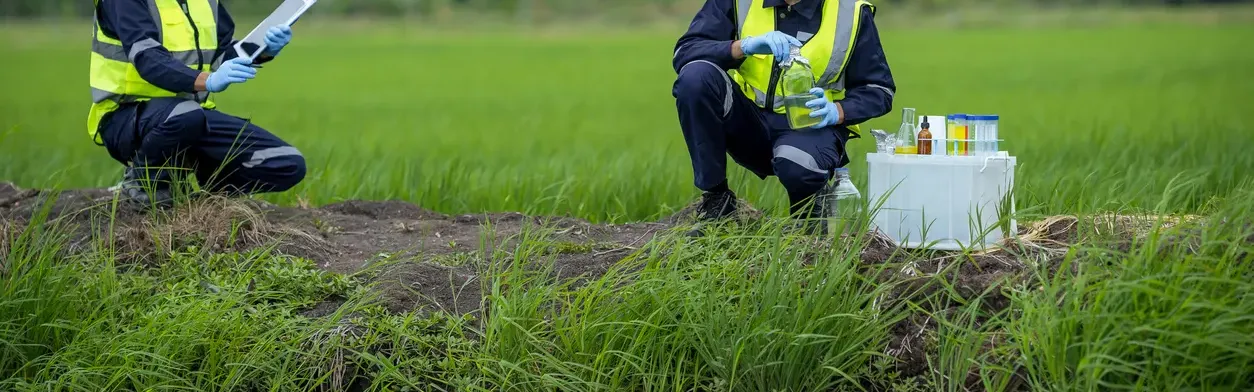

Environmental health practitioners protect public health by monitoring pollution and recommending ways to reduce environmental hazards. They use specialized equipment to measure contaminants in air, water, soil, noise, and radiation, and may design or support cleanup and remediation efforts. Practitioners can work as generalists or specialize in areas such as air quality, soil contamination, hazardous and solid waste management, noise abatement, or radiation monitoring. Through assessment, enforcement, and mitigation, environmental health practitioners help reduce risks, protect communities, and improve environmental conditions that affect human health.
Education, Training and Experience
- Environmental health practitioners typically earn a four-year college degree in a scientific field.
- Some states offer certification based on work experience and passing an exam.
- Earning a degree from an accredited environmental health program is strongly recommended.
- EHAC accreditation is important to employers, including the federal government, and ensures completion of a hands-on, practice-based internship.
- Graduates of EHAC-accredited programs are eligible for federal opportunities such as the National Environmental Public Health Internship Program and U.S. Public Health Service roles.
- Experience in food preparation can support entry-level food inspector roles with the USDA.
- Strong written, communication, and observational skills are essential for working with diverse stakeholders and reporting findings.
- High school preparation: take math, science, and writing courses; volunteer with environmental or public health organizations; complete safety-focused science projects.
- College preparation: major in a scientific or engineering field and pursue internships or summer programs in environmental health or occupational safety.
Detailed Work Activities
- Environmental health practitioners usually work 37–40 hours per week, with possible overtime or weekend work, especially during emergency responses.
- Work includes both desk-based tasks (data analysis and report writing) and significant fieldwork, such as site inspections and sample collection.
- The job can be fast paced, with tight deadlines and multiple pressures.
- Enforcement roles may involve confrontational situations.
- Practitioners use sensitive, sometimes heavy equipment and may work in hazardous or unsanitary conditions while wearing protective gear.
- They work for local, state, and federal agencies, consulting firms, and private industry.
- Regulatory roles may involve issuing citations or enforcing shutdowns.
- Consultants may focus on land safety, regulatory compliance, or travel to industrial sites.
- Some practitioners participate in regional or international emergency planning and disaster response teams.
Table of Contents:
For more information on this career visit: https://explorehealthcareers.org/careers/public-health/environmental-health-practitioner/
Data Source: ExploreHealthcareers.org