Colleges by Location
Colleges by Fields of Study
Colleges by Tuition Range
Colleges by GPA Range
College by SAT Range
Colleges by ACT Score
Graduate Schools by Location
Graduate Schools by Fields of Study
Graduate School by Degree Type
Paying for Graduate School
Online Graduate Programs
Test Preparation
Career Planning
College Planning
Graduate School Planning
Applying to Graduate School
- More

| Median Wage (USD, 2024) | Projected Job Openings (2023-2033) | Projected Growth (2023-2033) | |
|---|---|---|---|
| National Statistics | $79,000 | 3100 | 9.9% |
| State Statistics | - | - | - |
| City Statistics | - | - | - |
Experience Requirements Overview
- Job Zone Five: Extensive Preparation Needed
- Extensive skill, knowledge, and experience are needed for these occupations. Many require more than five years of experience. For example, surgeons must complete four years of college and an additional five to seven years of specialized medical training to be able to do their job.
- Most of these occupations require graduate school. For example, they may require a master's degree, and some require a Ph.D., M.D., or J.D. (law degree).
- Employees may need some on-the-job training, but most of these occupations assume that the person will already have the required skills, knowledge, work-related experience, and/or training.
Education, Training and Experience
Required Level of Education: Doctoral Degree
Related Work Experience: Over 1 year, up to and including 2 years
On-Site or In-Plant Training: Over 6 months, up to and including 1 year
On-the-Job Training: Over 6 months, up to and including 1 year
Detailed Work Activities
- Schedule patient procedures or appointments.
- Treat patients using physical therapy techniques.
- Examine patients to assess general physical condition.
- Gather medical information from patient histories.
- Examine patients to assess general physical condition.
Work Values
Achievement
Occupations that satisfy this work value are results oriented and allow employees to use their strongest abilities, giving them a feeling of accomplishment. Corresponding needs are Ability Utilization and Achievement.
Working Conditions
Recognition
Relationships
Support
Independence
Tasks
- Evaluate the functioning of the neuromuscularskeletal system and the spine using systems of chiropractic diagnosis.
- Diagnose health problems by reviewing patients' health and medical histories, questioning, observing, and examining patients and interpreting x-rays.
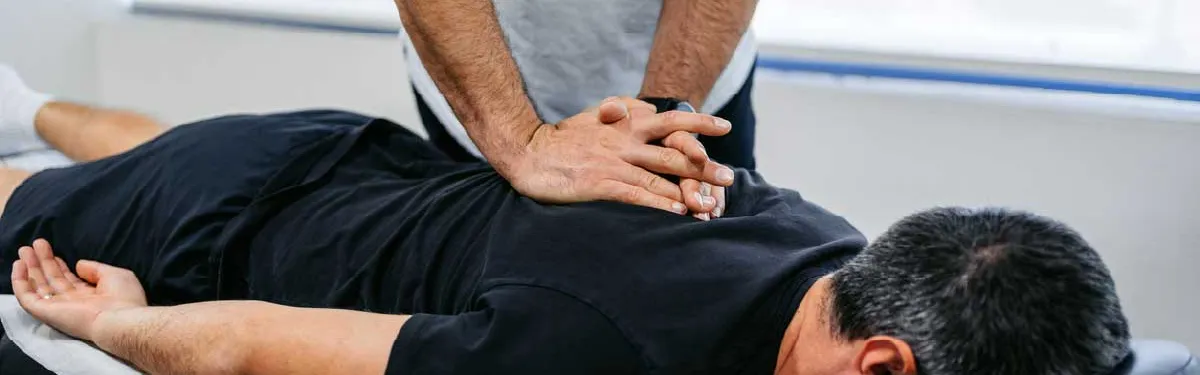
- Perform a series of manual adjustments to the spine or other articulations of the body to correct the musculoskeletal system.
- Obtain and record patients' medical histories.
- Maintain accurate case histories of patients.
- Advise patients about recommended courses of treatment.
- Analyze x-rays to locate the sources of patients' difficulties and to rule out fractures or diseases as sources of problems.
- Counsel patients about nutrition, exercise, sleeping habits, stress management, or other matters.
- Consult with or refer patients to appropriate health practitioners when necessary.
- Recommend and arrange for diagnostic procedures, such as blood chemistry tests, saliva tests, x-rays, or other imaging procedures.
- Suggest and apply the use of supports such as straps, tapes, bandages, or braces if necessary.
Work Styles
Achievement/Effort
Job requires establishing and maintaining personally challenging achievement goals and exerting effort toward mastering tasks.
Persistence
Initiative
Leadership
Cooperation
Concern for Others
Social Orientation
Self-Control
Stress Tolerance
Adaptability/Flexibility
Dependability
Attention to Detail
Integrity
Independence
Innovation
Analytical Thinking
For more information on this career visit: https://explorehealthcareers.org/careers/chiropractic-medicine/chiropractor/
Data Source: This page includes information from the O*NET 30.0 Database by the U.S. Department of Labor, Employment and Training Administration (USDOL/ETA). Used under the CC BY 4.0 license. O*NET® is a trademark of USDOL/ETA. This page includes Employment Projections program, Occupational Employment and Wage Statistics program, U.S. Bureau of Labor Statistics.