Colleges by Location
Colleges by Fields of Study
Colleges by Tuition Range
Colleges by GPA Range
College by SAT Range
Colleges by ACT Score
Graduate Schools by Location
Graduate Schools by Fields of Study
Graduate School by Degree Type
Paying for Graduate School
Online Graduate Programs
Test Preparation
Career Planning
College Planning
Graduate School Planning
Applying to Graduate School
- More
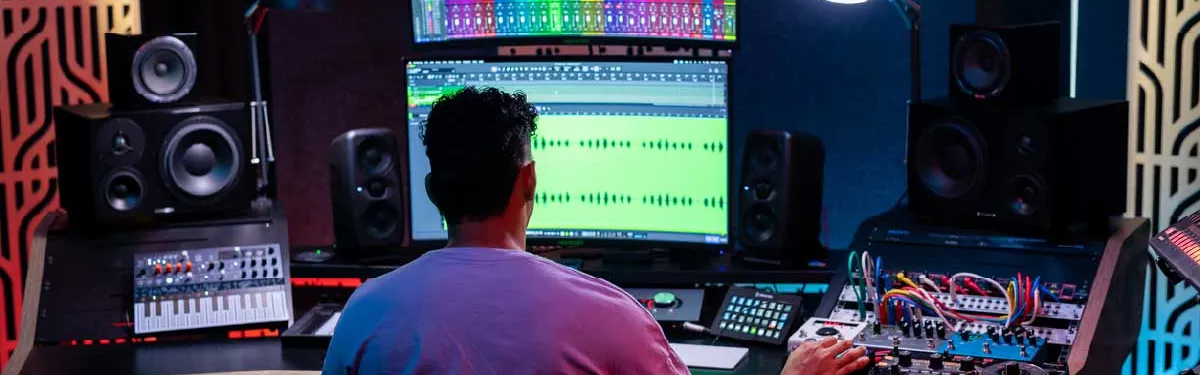

| Median Wage (USD, 2024) | Projected Job Openings (2023-2033) | Projected Growth (2023-2033) | |
|---|---|---|---|
| National Statistics | $54,830 | 8000 | 5.3% |
| State Statistics | - | - | - |
| City Statistics | - | - | - |
Experience Requirements Overview
- Job Zone Three: Medium Preparation Needed
- Previous work-related skill, knowledge, or experience is required for these occupations. For example, an electrician must have completed three or four years of apprenticeship or several years of vocational training, and often must have passed a licensing exam, in order to perform the job.
- Most occupations in this zone require training in vocational schools, related on-the-job experience, or an associate's degree.
- Employees in these occupations usually need one or two years of training involving both on-the-job experience and informal training with experienced workers. A recognized apprenticeship program may be associated with these occupations.
Education, Training and Experience
Required Level of Education: Bachelor's Degree
Related Work Experience: Over 1 year, up to and including 2 years
On-Site or In-Plant Training: Over 3 months, up to and including 6 months
On-the-Job Training: Over 3 months, up to and including 6 months
Detailed Work Activities
- Operate communications, transmissions, or broadcasting equipment.
- Maintain recording or broadcasting equipment.
- Coordinate logistics for productions or events.
- Maintain logs of production activities.
- Notify others of equipment problems.
Work Values
Independence
Occupations that satisfy this work value allow employees to work on their own and make decisions. Corresponding needs are Creativity, Responsibility and Autonomy.
Achievement
Working Conditions
Recognition
Relationships
Support
Tasks
- Notify supervisors when major equipment repairs are needed.
- Diagnose and resolve media system problems.
- Direct and coordinate activities of assistants and other personnel during production.
- Compress, digitize, duplicate, and store audio and video data.
- Install, adjust, and operate electronic equipment to record, edit, and transmit radio and television programs, motion pictures, video conferencing, or multimedia presentations.
- Control the lights and sound of events, such as live concerts, before and after performances, and during intermissions.
- Switch sources of video input from one camera or studio to another, from film to live programming, or from network to local programming.
- Record and edit audio material, such as movie soundtracks, using audio recording and editing equipment.
- Perform minor repairs and routine cleaning of audio and video equipment.
- Design layouts of audio and video equipment and perform upgrades and maintenance.
- Conduct training sessions on selection, use, and design of audio-visual materials and on operation of presentation equipment.
- Monitor incoming and outgoing pictures and sound feeds to ensure quality and notify directors of any possible problems.
- Mix and regulate sound inputs and feeds or coordinate audio feeds with television pictures.
- Construct and position properties, sets, lighting equipment, and other equipment.
- Reserve audio-visual equipment and facilities, such as meeting rooms.
- Determine formats, approaches, content, levels, and mediums to effectively meet objectives within budgetary constraints, using research, knowledge, and training.
- Edit videotapes by erasing and removing portions of programs and adding video or sound as required.
- Obtain, set up, and load videotapes for scheduled productions or broadcasts.
- Produce rough and finished graphics and graphic designs.
- Locate and secure settings, properties, effects, and other production necessities.
- Meet with directors and senior members of camera crews to discuss assignments and determine filming sequences, camera movements, and picture composition.
- Maintain inventories of audio and videotapes and related supplies.
- Obtain and preview musical performance programs prior to events to become familiar with the order and approximate times of pieces.
- Perform narration of productions or present announcements.
- Plan and develop pre-production ideas into outlines, scripts, story boards, and graphics, using own ideas or specifications of assignments.
- Organize and maintain compliance, license, and warranty information related to audio and video facilities.
- Inform users of audio and videotaping service policies and procedures.
- Analyze and maintain data logs for audio-visual activities.
- Develop manuals, texts, workbooks, or related materials for use in conjunction with production materials or for training.
Work Styles
Achievement/Effort
Job requires establishing and maintaining personally challenging achievement goals and exerting effort toward mastering tasks.
Persistence
Initiative
Leadership
Cooperation
Concern for Others
Social Orientation
Self-Control
Stress Tolerance
Adaptability/Flexibility
Dependability
Attention to Detail
Integrity
Independence
Innovation
Analytical Thinking
Data Source: This page includes information from the O*NET 30.0 Database by the U.S. Department of Labor, Employment and Training Administration (USDOL/ETA). Used under the CC BY 4.0 license. O*NET® is a trademark of USDOL/ETA. This page includes Employment Projections program, Occupational Employment and Wage Statistics program, U.S. Bureau of Labor Statistics.